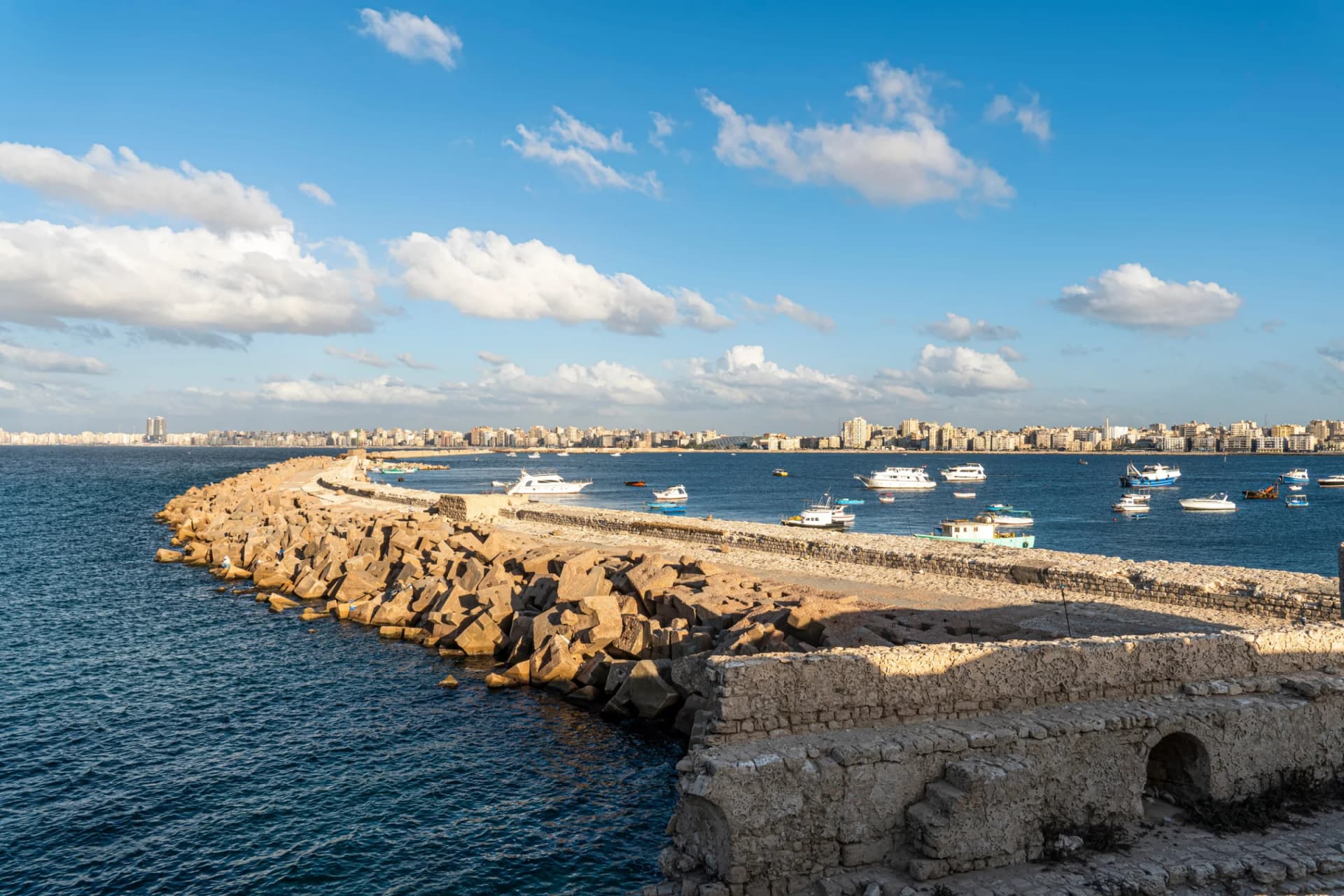
Lighthouse of Alexandria
Alexandria Egypt Posted by bazartravelsAdmin
Overview
The Lighthouse of Alexandria stands as one of history's most storied maritime structures, rising from the eastern harbor of Alexandria on Egypt's Mediterranean coast. Built around 280 BCE during the Ptolemaic dynasty, this ancient wonder once guided ships across one of the ancient world's busiest trade routes. Today, the lighthouse survives as a symbol of Hellenistic engineering prowess and remains one of the few surviving monuments from the classical era that you can actually visit and explore.
What makes this site compelling is not just its age but its persistence. The original lighthouse, known as the Pharos of Alexandria, stood for over 1,600 years before earthquakes toppled it. The current structure, built in the 15th century by the Mamluk Sultan Qaitbay, incorporated stones and rubble from the ancient lighthouse into its foundations, literally layering history upon itself. You're standing on ground where Greek engineers once calculated angles and Egyptian workers once hauled massive blocks into place.
Why this place matters
The original Pharos was one of the Seven Wonders of the Ancient World. That fact alone draws visitors, but the deeper significance lies in what it represented: a fusion of Egyptian, Greek, and later Roman influence in a single structure. Alexandria itself was founded by Alexander the Great in 331 BCE, and the lighthouse became its most recognizable feature, visible from miles out at sea.
For travelers interested in how ancients solved practical problems at scale, the Pharos offers a compelling case study. The original structure stood approximately 100 meters tall (some estimates suggest higher). It used mirrors and fire to project light across the harbor, a feat of optics that impressed classical writers. When you visit the current lighthouse, you're literally walking through centuries of technological iteration and cultural layering.
Quick facts
- Current structure built in 1480 by Sultan Qaitbay
- Located on Qaitbay Citadel, eastern harbor of Alexandria
- Original Pharos constructed around 280 BCE
- Stands approximately 15 meters tall in its present form
- Entry requires ticket to the citadel complex
- Open daily with seasonal variations in hours
- Best visited in cooler months (October to March)
Getting there
The Lighthouse of Alexandria sits within Qaitbay Citadel on the northern tip of the harbor, roughly 15 minutes by taxi from downtown Alexandria. If you're arriving by train, Alexandria Central Station is about 4 kilometers south. Most travelers take a taxi or ride-sharing app directly to Qaitbay Citadel rather than attempting public transport with luggage.
The easiest approach is from the corniche road that runs along the Mediterranean. Follow signs toward the eastern harbor and the citadel. Parking exists nearby, though it fills during weekends and holidays. The walk from the parking area to the lighthouse itself takes about 5 to 10 minutes depending on citadel crowds and which entrance you use.
The layout and experience
Qaitbay Citadel functions as a working military installation, which means access is controlled. You enter through a single checkpoint where bags are screened. The citadel itself is a compact fortress with thick stone walls, multiple levels, and several interior chambers. The lighthouse stands at the northeastern corner, rising from the citadel's highest point.
Once inside, you'll navigate the citadel's interior courtyards and passages. The layout feels somewhat cramped and shadowy in places, especially the lower levels. Stairs are narrow and uneven. If you have mobility concerns, steep steps and limited handrails mean you won't reach the top of the lighthouse tower itself, though the courtyard views of the structure are visible from ground level.
The actual climb to the lighthouse top involves ascending a tight spiral staircase. The steps are worn and the passages are dim. Natural light comes through narrow windows. Once you emerge at the top, you get views across the harbor, the Mediterranean, and back toward the city. On clearer days, you can see several kilometers out. The experience is less about the view than about the physical act of climbing through layers of time in a confined space.
Main highlights
The lighthouse tower itself is the primary draw. Standing at the top and looking out across the same harbor that ancient mariners navigated creates a visceral connection to the past. The stone walls, worn smooth in places by centuries of hands, remind you this is a functioning structure, not a museum reconstruction.
Within the citadel, several chambers contain artifacts and explanatory panels about the original Pharos and the citadel's own history. These displays help contextualize what you're seeing. The citadel's walls themselves offer compelling views of the harbor and the modern city spreading behind it. At sunset, the light across the water and the contrast between ancient stones and contemporary Alexandria becomes striking.
The underwater archaeology around the citadel is significant too. Archaeologists have recovered stones and statuary from the original Pharos from the harbor floor. While you won't see active excavations during a typical visit, some recovered pieces are displayed in Alexandria's museums, which makes a citadel visit part of a larger understanding of the site's full history.
History and background
The Pharos of Alexandria was designed by the Greek architect Sostratus of Cnidus and built during the reign of Ptolemy II Philadelphus. Construction took roughly 12 years. The structure consisted of three tiers: a square base, an octagonal middle section, and a cylindrical tower topped with a mirror system. It functioned continuously for centuries as the Mediterranean's most famous navigational aid.
A series of earthquakes between 956 and 1480 CE progressively damaged the original lighthouse. By the 15th century, only rubble remained. The Mamluk Sultan Qaitbay built a new fortress directly on the site, incorporating fragments of the ancient structure into its walls. This wasn't accidental preservation, it was practical reuse, but it meant crucial archaeological evidence was built into a still-functioning military structure.
The citadel you visit today has been modified and restored multiple times. In the 1980s, Egyptian authorities began archaeological surveys around the citadel, recovering artifacts from the harbor floor. Modern conservation work continues, though access to certain areas remains restricted due to the site's active military use.
Tickets and entry
Entry to Qaitbay Citadel (which includes access to the lighthouse) requires a paid ticket. Pricing falls into mid-range categories, with separate rates for Egyptian nationals and foreign visitors. Children typically receive discounted entry. Guided tours are available but not mandatory. Your ticket grants access to all areas open to the public, though some military sections remain off-limits.
Photography is permitted in most areas, though some restricted zones may prohibit cameras. Check current policies at the entrance. Tickets are purchased at the citadel gate, and there's usually no need to book in advance unless you're visiting during a major Egyptian holiday.
Best time to visit
October through March offers the most comfortable temperatures for exploring. Alexandria gets quite hot and humid from June through August, making the climb through the lighthouse tower uncomfortable and potentially unsafe for those sensitive to heat. Winter months are mild, typically 15 to 20 degrees Celsius, ideal for the physical demands of climbing stairs and walking citadel walls.
Avoid visiting during major Egyptian holidays when domestic tourism surges. Weekdays tend to be quieter than weekends. Morning visits, especially before 10 AM, mean shorter waits at security and fewer crowds inside the citadel. The site tends to close by late afternoon, so plan accordingly if you're coming from elsewhere in the city.
Photography tips
The lighthouse tower itself photographs well from the citadel courtyard, especially during late afternoon when the sun rakes across the stone. The contrast between the ancient structure and modern harbor activity creates interesting compositional tension. Bring a wide-angle lens if you have one, as interior spaces are cramped and you'll want to capture the full height of passages and chambers.
The harbor views from the top are best captured in early morning light or during the golden hour before sunset. The Mediterranean water reflects light beautifully during these times. Inside the tower, natural light is minimal, so if you're photographing without flash, bring a tripod or accept higher ISO settings on your camera. The narrow windows offer framed views of the city and harbor that make good compositional elements.
Facilities and preparation
The citadel has basic facilities. There's a small café near the entrance selling drinks and light snacks, though the selection is limited and prices reflect a captive market. Bathrooms are available but basic. There's little shade inside the citadel beyond the tower's interior, so bring a hat, sunscreen, and adequate water, especially if visiting in warmer months.
Wear comfortable walking shoes with good grip. The stairs are worn and uneven, and the stone surfaces can be slippery if damp. The climb is not strenuous in terms of distance but the tight spiral staircase can trigger claustrophobia in some visitors. If you have concerns about enclosed spaces or steep stairs, consider whether the experience aligns with your comfort level.
The site is not particularly accessible for those with mobility challenges. Once you pass the initial courtyard, stairs and tight passages dominate. Visitors in wheelchairs or with significant mobility limitations will be unable to reach the lighthouse interior. Plan your visit accordingly.
Combining with nearby attractions
Alexandria's Greco-Roman Museum is about 3 kilometers south and houses artifacts from the city's classical period, including recovered pieces from the original Pharos. Visiting the museum before or after the citadel deepens your understanding of the lighthouse's place in Alexandria's history. The Alexandria National Museum, housed in a 19th-century palace, offers broader context on the city's cultural layers.
The Catacombs of Kom el Shoqafa, roughly 4 kilometers south, represent a different era of Alexandria's history but show the same pattern of cultural fusion. The Citadel of Qaitbay itself is part of a larger walking circuit along the corniche that includes fish markets, waterfront cafés, and harbor views. Many visitors spend a full day exploring this northeastern quarter of Alexandria rather than treating the lighthouse as an isolated stop.
Sample visit plan
Start your morning early, arriving at Qaitbay Citadel by 8 or 9 AM to beat crowds and heat. Plan to spend 90 minutes to 2 hours here. This gives you time to enter, climb the lighthouse tower, explore the citadel chambers, and absorb the views without rushing. After leaving the citadel, walk along the corniche toward downtown Alexandria for lunch at a harbourside restaurant.
In the afternoon, if you have energy, visit the Greco-Roman Museum to see artifacts from the original Pharos and the broader classical city. Plan 1 to 2 hours there. By late afternoon, return to the corniche for sunset views. This pacing respects the physical demands of the citadel while building a fuller picture of Alexandria's archaeological significance.
Practical tips
- Bring more water than you think you'll need. The citadel offers limited shade and no water fountains inside
- Visit early in the day to avoid peak heat and crowds, especially in summer months
- The spiral staircase is narrow; if you're claustrophobic, assess your comfort level before committing to the climb
- Wear sturdy shoes with good traction. Stone surfaces are worn smooth and can be slippery
- Check closing time at the entrance. The citadel closes by late afternoon and you won't have time to dawdle
- Security screening is thorough. Bring minimal bags and expect to remove belts and phones for scanning
- Local guides sometimes offer services at the entrance. Negotiate prices before agreeing to a tour
FAQ
Can you go inside the lighthouse tower itself? Yes, the tower is accessible via a narrow spiral staircase. The climb takes 10 to 15 minutes and leads to a small chamber at the top with views across the harbor. The stairs are steep and the passages are tight, so it's not suitable for everyone.
How much of the original Pharos remains? Very little of the original structure is visible. The current lighthouse was built in the 15th century using stones from the ancient lighthouse's ruins. Some recovered artifacts from the original Pharos are displayed in Alexandria's museums rather than at the citadel itself.
Is the site worth visiting if I'm not particularly interested in ancient history? The views and the physical experience of climbing through a 15th-century fortress have value beyond archaeology. The harbor setting is compelling, and the contrast between ancient and modern Alexandria is visually striking. Even a casual visitor will find the experience worthwhile.
How long should I plan to spend at the citadel? Most visitors spend 90 minutes to 2 hours. This allows time to climb the lighthouse, explore the main chambers, and enjoy the views without feeling rushed.
Is it possible to visit during summer? Yes, but it's uncomfortable. Temperatures often exceed 30 degrees Celsius, and the stone interior of the lighthouse tower becomes very warm. If you must visit in summer, go very early in the morning and bring significant amounts of water.
Opening hours
Reviews
Sign in and mark this place visited to leave a review.
No reviews yet.
Free Trip Planner
Plan your Alexandria trip with our free planner
Build a day-by-day itinerary with AI suggestions, hand-picked places, and friends. Free forever — no credit card.
Things to see near Lighthouse of Alexandria

Catacombs of Kom el Shoqafa

Pompey’s Pillar
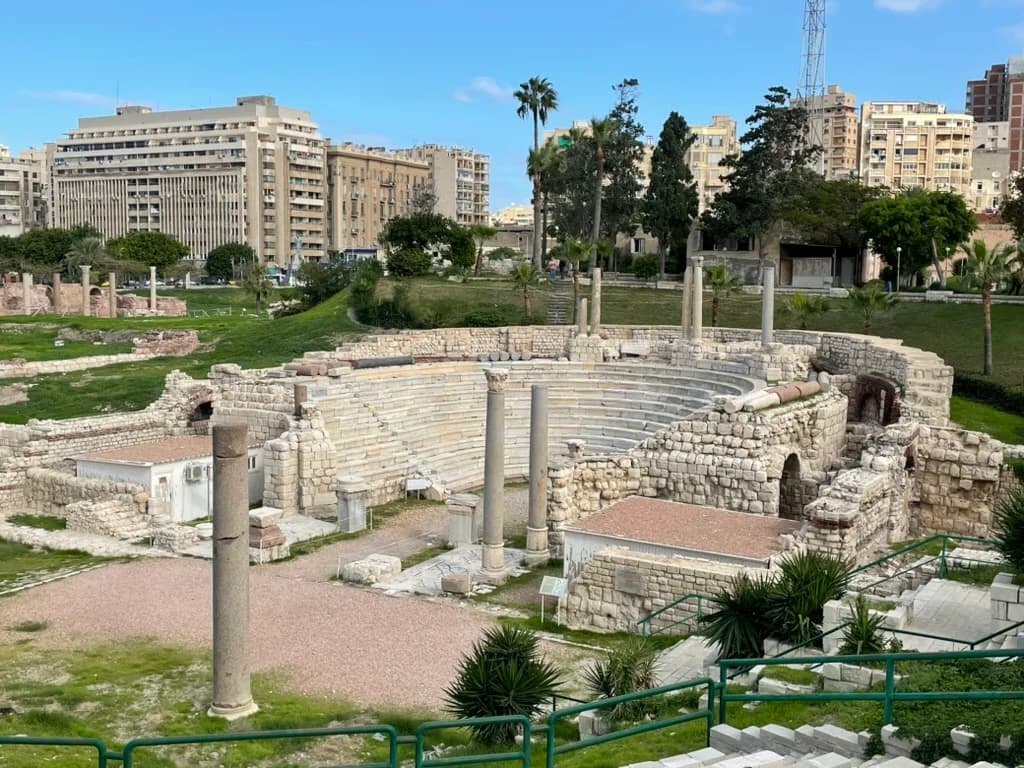
Ancient Roman Amphitheater