
Parco Archeologico del Celio
Viale di Parco del Celio, 22, 00184 Roma RM, ItalyOverview
The Parco Archeologico del Celio sits on the Caelian Hill in southeast Rome, a sprawling archaeological park that opens a window onto the city's layered past. Walking these grounds, you move through centuries in minutes: past the austere brick remains of a 2nd-century Roman house, past medieval church foundations, past the graffiti-scored walls where early Christians once gathered. The park is not a polished museum with galleries and climate control. It's a working archaeological site where the past sits exposed to the Tiber wind, where you can stand in the actual footprint of buildings that held Roman life two thousand years ago.
Most visitors arrive expecting another grand ruin like the Colosseum, which sits just across the valley. What they find instead is something quieter and more intimate: a place where you can spend an hour alone in spaces that once thrummed with daily activity, where you can read the layers of Rome's transformation from pagan empire to Christian city.
Why this place matters
The Celio preserves an unusually complete cross-section of Roman domestic and religious life. Unlike many archaeological sites that show off a single dramatic structure, this park contains the remains of multiple periods living one atop another. You see how medieval churches were built using the walls of Roman buildings. You see how early Christian communities adapted existing spaces for worship.
The site's significance lies not in any single famous monument but in what it shows about continuity and change. Rome didn't transform overnight from pagan to Christian, from prosperous to medieval. The Celio lets you read that transition in stone.
Quick facts
- Location: Viale di Parco del Celio 22, southeast of the Colosseum on the Caelian Hill
- Open most days, but hours vary by season and can shift with excavations; confirm before visiting
- Admission is free, though donations are accepted
- Allow 1 to 2 hours for a thorough walk-through
- Largely unshaded; bring water and sun protection
- Uneven terrain and worn stone steps; wear sturdy shoes
- No food vendors or facilities inside the park
Getting there
From the Colosseum, the Celio is a 15-minute walk southeast. Exit the Colosseum area toward the Arch of Constantine, then head uphill on Via dei Fori Imperiali. Turn right onto Clivo di Scauro, which climbs steeply past the church of San Gregorio Magno. Viale di Parco del Celio branches off to your left.
By metro, take Line B to Colosseo, then follow the walking route above. The site has no dedicated parking, but street parking exists on surrounding roads; expect to search.
The layout and experience
The park unfolds across the hilltop without clear marked trails. You enter through a gate and are largely left to wander. This openness is both the site's charm and its challenge. There are no interpretive panels, no audio guides, no clear hierarchy of what to see. You navigate by instinct and curiosity.
The main features cluster around a central area, though boundaries blur. You'll encounter the remains of a 2nd-century Roman house (domus) with mosaic fragments still visible in places. Medieval church foundations, some barely knee-high, mark where later communities gathered. A small open area in the park's center offers views down into the Forum and across to the Colosseum.
The ground is pocked with excavation trenches, some active, some abandoned. You step over low stone walls, duck under protective fencing, and occasionally squeeze past barriers. This roughness is part of the experience. You're not being shown a curated version of history; you're walking through an actual archaeological workspace.
Main highlights
The Roman house (domus) is the most substantial standing structure. Its brick walls rise 10 to 15 feet in places, enough to give you a sense of domestic scale. The foundation plan is legible even without expert knowledge. You can trace rooms, imagine courtyards, see where staircases climbed.
The medieval church foundations are less visually dramatic but tell a more complex story. These walls, sometimes only a course or two of stone, show how later Romans salvaged and reused earlier structures. A church built in the 5th or 6th century might incorporate a Roman wall into its nave.
The vantage point from the park's upper reaches is worth the climb. You see how the Celio relates to the Forum, the Colosseum, and the wider Roman landscape. The hill's elevation becomes clear. This was premium real estate in antiquity.
History and background
The Caelian Hill was one of Rome's seven hills and a residential neighborhood for the well-to-do. During the imperial period, the wealthy built large private houses here. Archaeology has revealed mosaics, water features, and the kinds of amenities that marked upper-class life.
As Rome's population declined in late antiquity and the early medieval period, the hill's grand houses fell into disrepair. Early Christian communities repurposed some structures for worship. Monasteries and smaller churches rose in the ruins. The landscape transformed from a neighborhood of private wealth to a landscape of faith.
Systematic excavation began in the early 20th century and continues intermittently. Some areas have been excavated thoroughly; others remain barely touched. This ongoing work is part of why the site feels unfinished, why fencing sometimes blocks access, why interpretive materials are sparse.
Tickets and entry
There is no admission fee. The park is open to the public, though hours can be restricted during active excavation work. There are no timed tickets or reservations. Simply walk in during posted hours.
The lack of a ticketing system means there are also no staff on-site to answer questions or provide guidance. This makes independent research beforehand valuable, or the willingness to walk slowly and observe closely without explanation.
Best time to visit
Early morning or late afternoon is best. The site has almost no shade, and the Roman sun on exposed stone and brick can be intense by mid-day. Visit in spring or fall to avoid summer heat.
Winter is pleasant in terms of temperature but brings occasional closures due to rain or maintenance. Call ahead if you're visiting November through March to confirm the site is open.
Weekday visits tend to be quieter than weekends. The site draws fewer crowds than major monuments, but a sunny Saturday afternoon can still feel busy.
Photography tips
The unexcavated, rough nature of the site makes it less photogenic than polished archaeological parks. Shadows from stone walls and uneven light can be harsh. Early morning light is softer and reveals more detail in weathered brick and stone.
The views toward the Forum and Colosseum from the hilltop are the most reliably striking shots. Compose with Roman remains in the foreground and the valley beyond to convey the site's setting.
Bring a wide-angle lens if you're serious about photography. Many structures are sprawling and low-lying, and you'll often need to step back to frame them meaningfully.
Facilities and preparation
There are no restrooms, no water fountains, no seating, and no food for sale inside the park. Bring water, especially in warm months. Wear sturdy, closed-toe shoes with good grip. The ground is uneven, with loose gravel, worn stone steps, and occasional holes.
A sun hat and sunscreen are essential. There is virtually no shade on the open hilltop.
Consider bringing a printed guide or downloading information on your phone before arrival. The lack of on-site interpretation means having reference material is helpful. A basic map of the site's main features will help orient you.
How it compares to similar places
The Celio is less manicured and more archaeologically "honest" than sites like the Roman Forum or Palatine Hill, which are heavily reconstructed and interpretively managed. It's closer in feel to the experience of a working dig than a finished museum.
If you're already spending time in the Roman archaeological center, the Celio offers something different: a less crowded, less explained, more open-ended encounter with Roman remains. It rewards curiosity and patience more than it rewards hurrying through a checklist.
Combining with nearby attractions
The Celio's hilltop position makes it a natural waypoint. The Colosseum is 15 minutes downhill. The Roman Forum and Palatine Hill are accessible via the same valley. San Gregorio Magno, a working church built over earlier structures, sits at the foot of the hill on the way up.
Many visitors combine the Celio with a morning at the Colosseum and Forum, then return to the Celio in late afternoon when other sites are more crowded. The circuit takes 4 to 5 hours if you move at a moderate pace.
Sample visit plan
Arrive by mid-morning. Spend 30 to 45 minutes walking the main archaeological features: the Roman house, the church foundations, the open areas. Don't rush. Spend time sitting in different spots, observing how the light and views change.
If you're interested in the broader context, walk down to San Gregorio Magno afterward. Climb back through the park toward the viewpoint overlooking the Forum and Colosseum. Finish by late afternoon, when you can catch the longer light and perhaps move on to dinner in the nearby Rioni neighborhood.
Practical tips
- Call or check the site's hours online before visiting. Excavation work and maintenance can cause closures
- Bring more water than you think you'll need. The sun is relentless and there are no vendors
- Wear sturdy shoes. Loose gravel and uneven stone are the norm
- Go early or late in the day to avoid midday heat and crowds
- Have a basic map or guidebook on your phone. The lack of signage means you'll navigate partly by exploration
- Respect active excavation areas. Don't cross barriers or disturb work in progress
- Bring a book or journal if you like to sit and observe. The site is quiet enough for reflection
FAQ
Is there a guided tour available? Not regularly. The site is managed as an open archaeological space rather than a museum with formal tours. You can hire a private guide through Rome tour operators, but most visitors explore independently.
How long does a visit take? Plan 1 to 2 hours. You can rush through in 30 minutes, but the site rewards slower exploration.
Is the Celio accessible for people with mobility issues? No. The terrain is uneven, steps are worn and uneven, and there are no paved paths or ramps. Wheeled access is not feasible.
Can I bring children? Yes, though they need to be comfortable with uneven ground and lack of amenities. Older children who enjoy exploring will find it more rewarding than younger ones.
What's the best thing about the Parco Archeologico del Celio compared to the Colosseum or Forum? Solitude and authenticity. You're walking through an actual working archaeological site, not a finished tourist attraction. If you want explanation and polish, go to the Colosseum. If you want the raw experience of Roman remains, the Celio delivers.
Reviews
Sign in and mark this place visited to leave a review.
No reviews yet.
Free Trip Planner
Plan your Rome trip with our free planner
Build a day-by-day itinerary with AI suggestions, hand-picked places, and friends. Free forever — no credit card.
Related reading
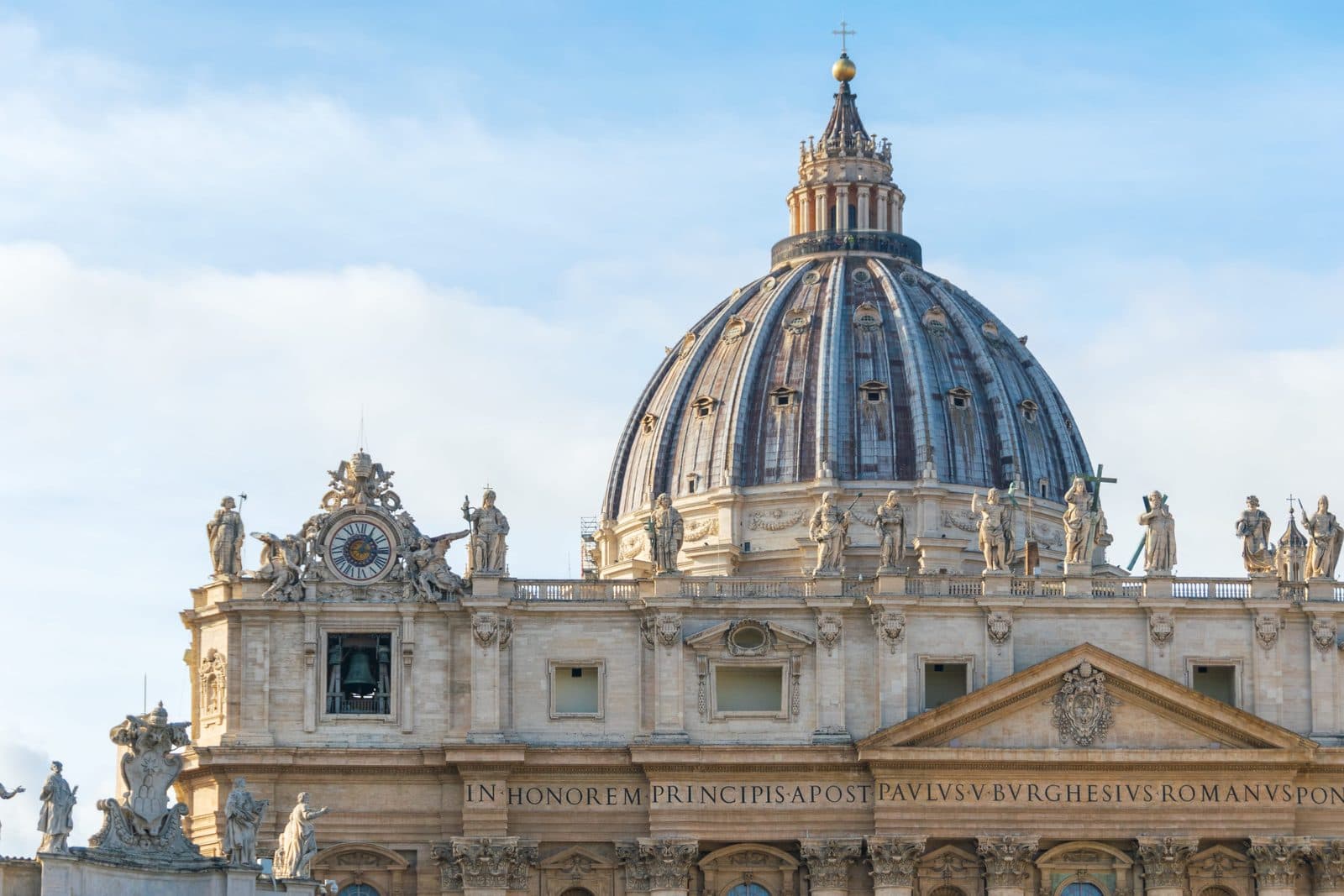
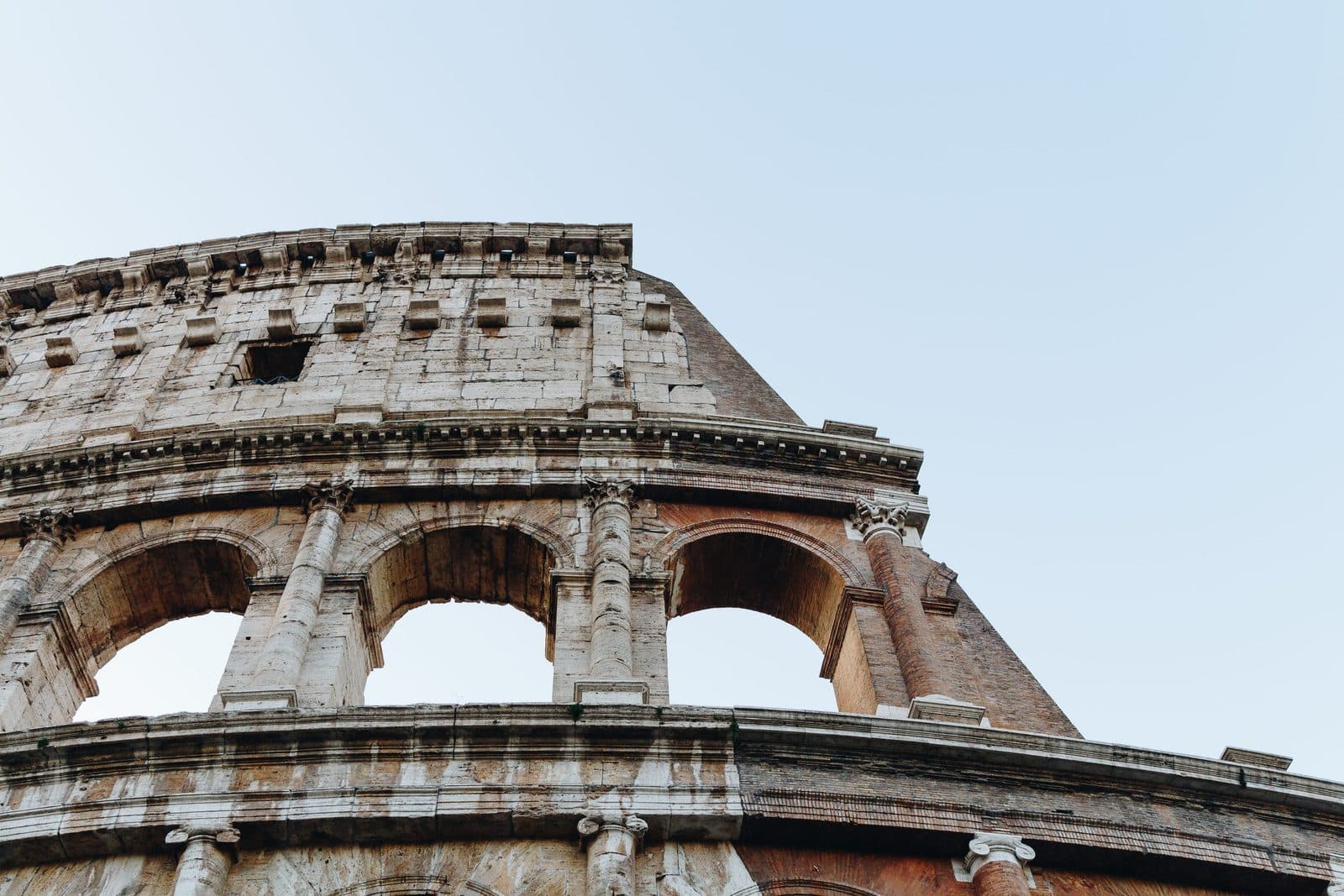
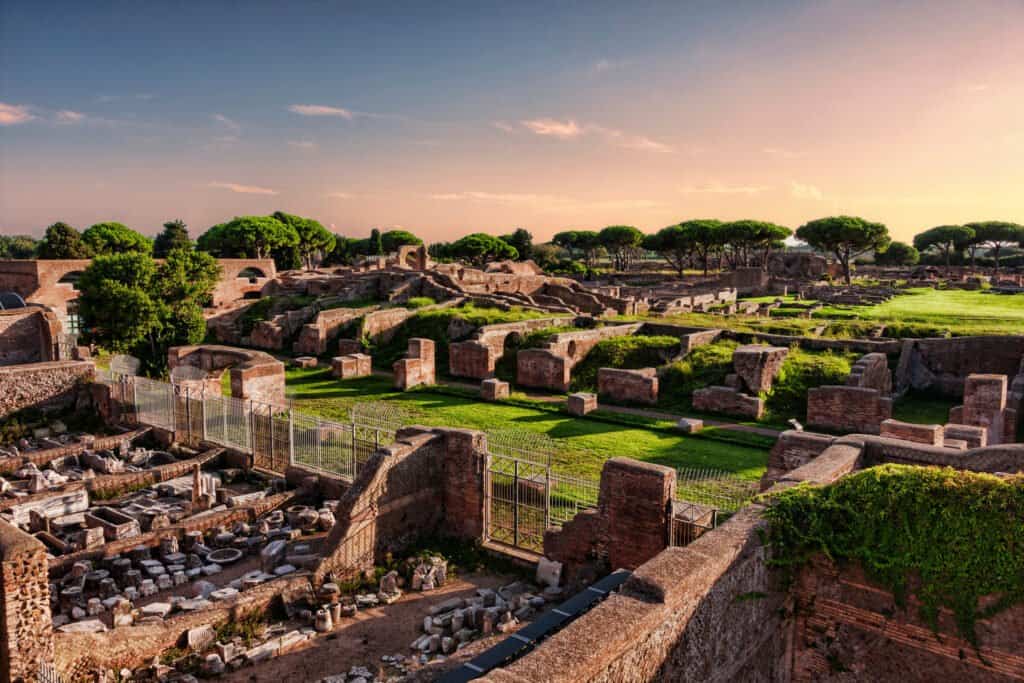
Things to see near Parco Archeologico del Celio



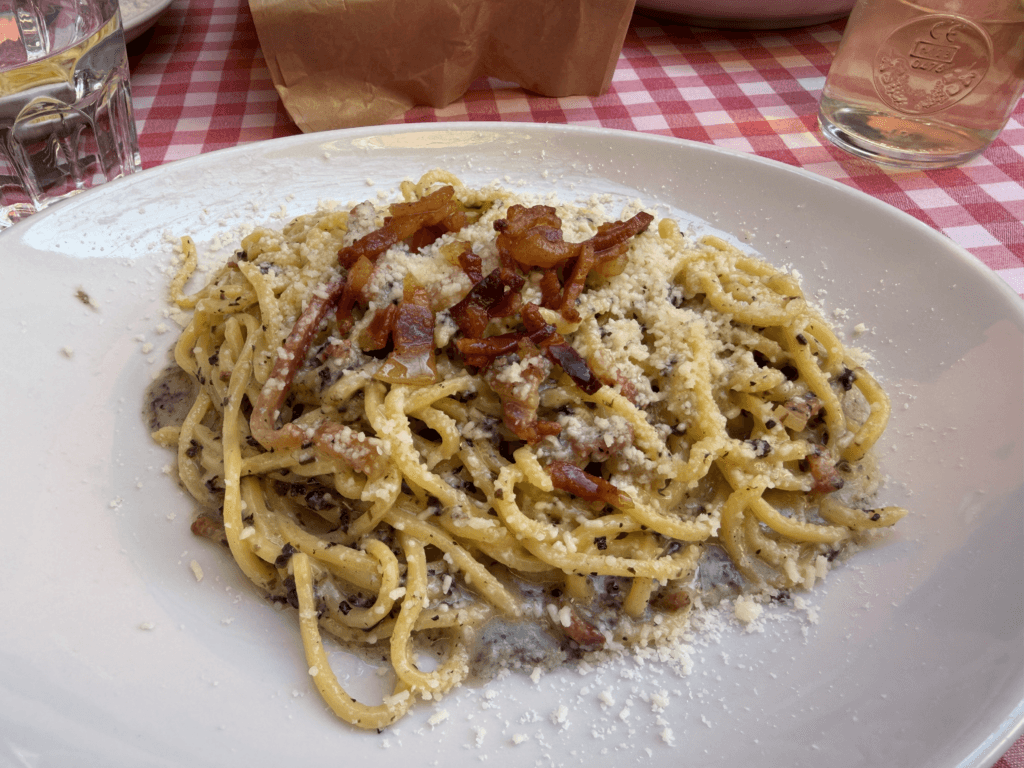
Places to eat or drink near Parco Archeologico del Celio
Arianna al Borghetto

La Pietra Scheggiata – Osteria/Pizzeria

Pasticceria Barberini


