

São Paulo on the map
29 places from this guide. Tap a pin to open the listing.
São Paulo doesn't try to charm you the way Rio does. It's a sprawling, grey-skinned megacity of over 12 million people where the skyline never really ends, and most first-time visitors need a day or two to find their footing. This São Paulo travel guide pulls together what matters most: where the city's best galleries and markets sit, which neighborhoods to base yourself in, and how to eat your way through a city that takes food more seriously than almost anywhere else in South America. Start with Avenida Paulista, the city's six-kilometer central artery, and you'll already understand the scale of the place.
This is a city built for people who live here, not for tourists, which is exactly what makes it interesting. The museums are genuinely world-class, the restaurant scene punches well above its international reputation, and the architecture ranges from Belle Époque theaters to brutalist towers that look like something out of a comic book.
Overview
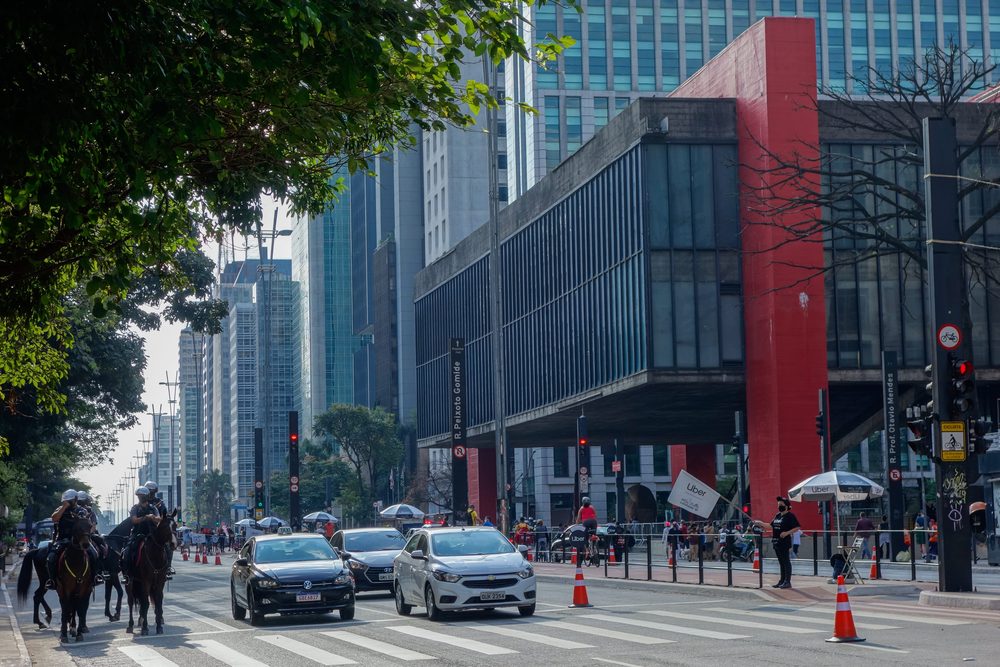
São Paulo is Brazil's financial capital and its largest city, sitting on a plateau about 800 meters above sea level, roughly 70 kilometers inland from the Atlantic coast. There's no beach here, no Christ the Redeemer, no single postcard image. What you get instead is density: skyscrapers packed edge to edge, a food culture shaped by waves of Italian, Japanese, Lebanese and Northeastern Brazilian migration, and a contemporary art scene centered on institutions like the Pinacoteca do Estado de São Paulo and the Museum of Art of São Paulo Assis Chateaubriand, known locally as MASP, with its red concrete frame suspended over a plaza on Paulista.
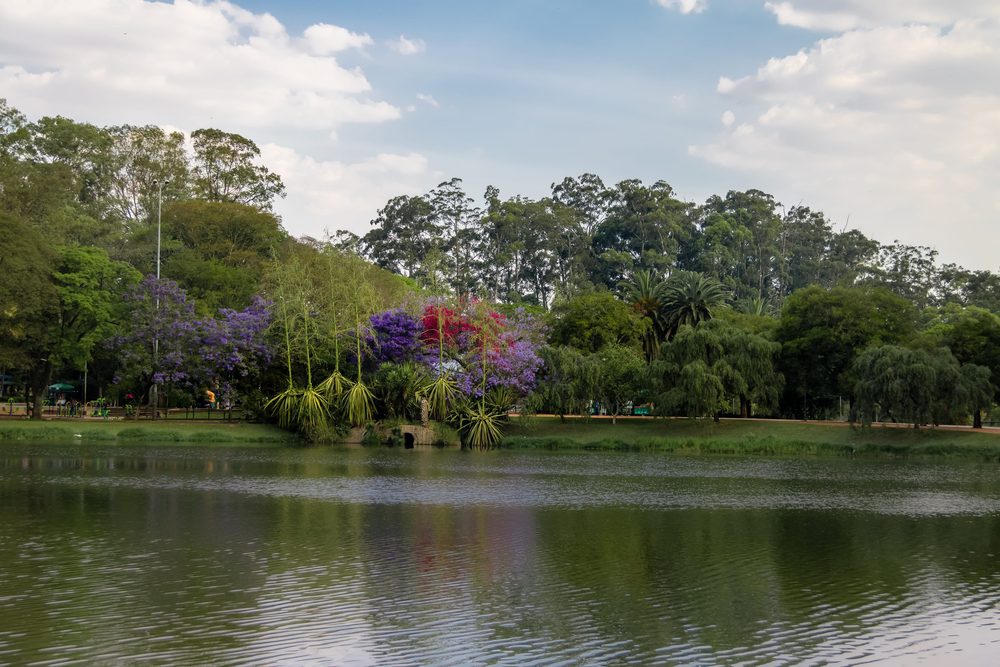
The city rewards slow exploration more than checklist sightseeing. A morning at Ibirapuera Park, São Paulo's answer to Central Park, followed by an afternoon wandering Vila Madalena's street art, gives you a better sense of the place than trying to hit ten landmarks in a day.
When to Visit
São Paulo sits in the subtropical zone, and because it's south of the equator, seasons run opposite to the Northern Hemisphere. Summer, from December through March, brings heat, humidity, and sharp afternoon thunderstorms that can flood streets within an hour. Winter, June through August, is noticeably cooler and drier, with temperatures occasionally dropping into the low teens Celsius overnight, surprising visitors who assume Brazil means year-round heat.
Shoulder months, April-May and September-October, tend to offer the most comfortable weather, with less rain and moderate temperatures. May is also when the city hosts Virada Cultural, a free 24-hour culture festival that turns Centro into an open-air stage. June brings Festa Junina celebrations across the city, and late June hosts one of the world's largest LGBT pride parades along Avenida Paulista, drawing millions. If fashion interests you, check whether your trip overlaps with São Paulo Fashion Week, usually held in spring and autumn.
Avoid expecting a quiet December. Carnival isn't as central here as in Rio, but New Year's and the lead-up to it bring crowded flights and higher hotel rates.
Where to stay
Jardins is the safest default for first-time visitors: leafy, upscale, walkable, with tree-lined streets like Oscar Freire lined with boutiques and restaurants, and an easy walk or short ride to Avenida Paulista and MASP.
Vila Madalena and neighboring Pinheiros suit travelers who want nightlife and a younger, more creative energy. This is where you'll find Beco do Batman, an alley covered floor to roofline in graffiti and murals that shifts constantly as new artists paint over old work, along with a dense cluster of bars like Boteco São Bento Vila Madalena and casual spots serving botecos-style small plates.
Itaim Bibi works well for business travelers, close to the financial district and with a quieter, more corporate feel after dark. Liberdade, the city's historic Japanese immigrant neighborhood, is worth considering if you want to be near Japan House São Paulo and the weekend street market that fills the main square with food stalls and lantern-strung streets.
Centro, the historic core, is the most overlooked base. It holds the Theatro Municipal, modeled loosely on the Paris Opera and opened in 1911, the Edifício Copan with its serpentine Niemeyer facade, the acoustically celebrated Sala São Paulo concert hall housed in a converted train station, and the Mercado Municipal, where stalls sell the famous mortadella sandwich piled absurdly high with meat. Centro feels rougher around the edges and some streets warrant caution after dark, but daytime it's dense with architecture you won't see elsewhere in the city.
How to reach the destination
Most international flights land at Guarulhos International Airport (GRU), about 25 kilometers northeast of downtown, Brazil's busiest airport with direct connections to North America, Europe, and other South American capitals. Domestic and some regional flights use Congonhas Airport, which sits much closer to the center, roughly 8 kilometers south of Paulista, making it convenient if you're continuing on to Rio de Janeiro or other Brazilian cities.
Overland, São Paulo connects by long-distance bus to most of the country through the Tietê bus terminal, with routes to Rio taking around six hours and services reaching as far as the southern beaches or the interior. If you're coming from Rio specifically, the bus is a reasonable and scenic option through the coastal mountains, though flying saves several hours.
Check current visa requirements for Brazil well ahead of your trip, as rules for various nationalities have shifted in recent years and are worth confirming directly with Brazilian consular sources rather than relying on older information.
Getting around the destination
The metro is the fastest way to move through central São Paulo and covers most areas visitors care about, including stops near Avenida Paulista, Liberdade, and the Mercado Municipal area. It gets crowded during weekday rush hours but runs efficiently otherwise. The CPTM commuter rail network extends further out and is useful if you're heading toward Ipiranga to visit the Museu do Ipiranga, which reopened after a long renovation and covers Brazilian independence history inside a 19th-century palace building.
Uber and the local app 99 are widely used, affordable relative to many Western cities, and generally the easiest way to get between neighborhoods that don't sit directly on a metro line, especially at night. Traffic is a real constraint here, São Paulo is notorious for congestion, so budget extra time for anything scheduled during weekday evening rush.
Walking works well within neighborhoods like Jardins, Vila Madalena, and along Paulista itself, but the city's scale means you'll want transit or a car between districts. If you're looking to get out of the city entirely, PETAR, the Alto Ribeira State and Tourist Park, makes for a serious day trip or overnight excursion south of the city, known for its cave systems and used mostly by visitors with a car or organized tour.
Top destination travel tips
- Learn a handful of Portuguese phrases. English is spoken in upscale hotels and restaurants but drops off quickly elsewhere, and basic greetings go a long way with locals.
- Keep phones and bags close in crowded areas, particularly around Centro and on public transit during rush hour. Street crime exists but is largely opportunistic rather than targeted.
- Carry some cash, but most places, even small bars, accept card payments and Pix, Brazil's instant payment system that locals use constantly.
- Tipping around 10 percent is standard in restaurants and is often already included as a service charge on the bill, so check before adding more.
- Pack for sudden rain regardless of season. Afternoon downpours in summer can be intense and brief.
- Buy a local SIM or eSIM on arrival at Guarulhos if you need reliable data, since connectivity away from Wi-Fi can be inconsistent in some neighborhoods.
- Sunday mornings are ideal for Ibirapuera Park, when closed roads inside fill with joggers, cyclists, and families, and the Oca and the Ibirapuera Pavilions host rotating exhibitions worth building time around.
Typical costs in the destination
Brazil's currency is the Brazilian real (BRL). São Paulo runs cheaper than most Western European or North American capitals but isn't as inexpensive as it once was, especially in Jardins and Itaim Bibi.
- A casual meal, a plate at a boteco or a pastel stand, falls into budget territory, while a sit-down dinner at a mid-range restaurant lands comfortably in the mid-range tier.
- Fine dining at places like D.O.M. or Maní, both associated with chefs who've earned international recognition for reworking Brazilian ingredients, sits firmly in the upscale to fine-dining bracket, with tasting menus priced accordingly.
- Metro and bus fares are inexpensive and flat-rate regardless of distance traveled within the system.
- Uber rides across town typically cost a fraction of equivalent fares in US or European cities, though surge pricing during rain or rush hour changes that quickly.
- Hotel rates vary enormously by neighborhood, with Jardins and Itaim Bibi running higher than Centro or Liberdade for comparable quality.
Must try food and drinks
- Feijoada, the black bean and pork stew traditionally served on Saturdays, worth trying at a dedicated spot like Feijoada da Lana Delivery or any traditional boteco during weekend service.
- Mortadella sandwich at the Mercado Municipal, stacked with so much meat it barely closes, best paired with fresh-squeezed sugarcane juice from the same market.
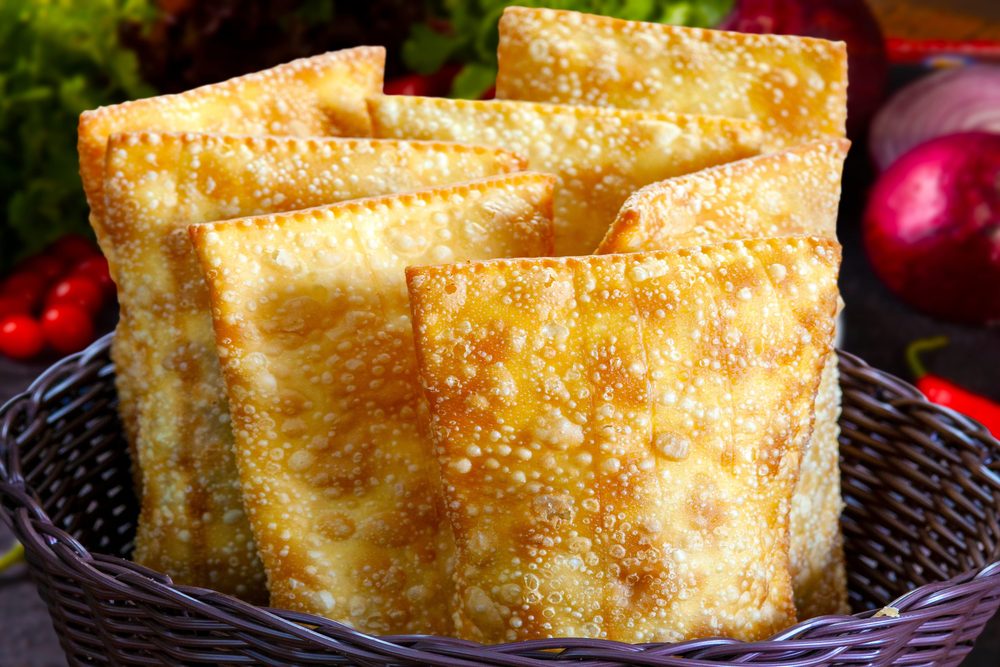
- Pastel, a thin fried pastry usually filled with cheese or meat, sold everywhere from street stalls to the Mercado itself.
- Churrasco and regional Brazilian cooking at Mocotó Vila Medeiros, which built its reputation on Northeastern Brazilian dishes like the namesake mocotó, a slow-cooked beef trotter stew.
- Amazonian-influenced cooking at Banzeiro Restaurant, which brings ingredients from Brazil's north into a São Paulo dining room.
- Pork belly and crackling at A Casa do Porco Bar, a restaurant built almost entirely around nose-to-tail pork cooking that regularly draws queues.
- Japanese food in Liberdade, from ramen counters to sushi spots that reflect the city's large Japanese-Brazilian population, one of the biggest outside Japan itself.
- Caipirinha, Brazil's cachaça-based cocktail, best had at a rooftop bar like Terrazza Rooftop with views over the skyline at sunset.
- Coffee and pão de queijo, the cheese bread rolls that function as a breakfast staple across the city, good at almost any padaria you stumble into.
For something more neighborhood-specific, Bar da Santa, Bar do Mané, Boteco Sao Paulo, and Manacá Restaurante all represent the kind of casual, beer-and-small-plates culture that defines São Paulo evenings more than any formal dining room does.
FAQ
How many days do you need in São Paulo?
Three to four full days covers the main museums, a couple of neighborhoods, and a proper restaurant meal or two without feeling rushed. Add a day if you want to make the trip out to PETAR or explore Centro's architecture in real depth.
Is São Paulo safe for tourists?
São Paulo is generally manageable for tourists who stick to well-trafficked areas and take normal precautions, though petty theft does occur, particularly in Centro and on crowded transit. Avoid displaying expensive items openly and use rideshares at night rather than walking unfamiliar streets.
Is São Paulo expensive?
It sits mid-range by global standards, cheaper than most Western capitals for food and transit but pricier than much of the rest of Brazil, particularly in neighborhoods like Jardins and Itaim Bibi. Fine dining and upscale hotels can get expensive quickly.
Do you need to speak Portuguese in São Paulo?
You can get by with English in hotels, airports, and upscale restaurants, but it helps enormously to know basic Portuguese phrases for taxis, markets, and smaller eateries. Locals appreciate the effort even if your grammar is rough.
Is São Paulo walkable?
Individual neighborhoods like Jardins, Vila Madalena, and the stretch along Avenida Paulista are walkable and pleasant on foot, but the city overall is too large and spread out to walk between districts. Combine walking within areas with metro or rideshare between them.
Is São Paulo or Rio de Janeiro better to visit first?
It depends on what you want. Rio offers beaches and iconic scenery, while São Paulo offers museums, food, and urban architecture. Many travelers combine both on a single Brazil trip, since they're connected by frequent short flights and overnight buses.
What's the best month to visit São Paulo?
April, May, September, and October tend to offer the most comfortable weather, with less rain and moderate temperatures compared to the humid summer or cooler winter months. May also brings the free Virada Cultural festival if you want to time your trip around an event.
Top Places to Visit in São Paulo
View all See & DoFree
Catedral Metropolitana de São Paulo
 See & DoFree
PETAR – Alto Ribeira State and Tourist Park
 See & DoBudget · $
Farol Santander
See & DoBeco do Batman
 See & Do
Museu do Ipiranga
 See & Do
Ibirapuera Park
 See & Do
Japan House São Paulo
 See & Do
Museum of Art of São Paulo Assis Chateaubriand
Top Places to Eat in São Paulo
View all Eat & DrinkExpensive · $$$
Terrazza Rooftop
 Eat & DrinkUltra Luxury · $$$$$
Maní
 Eat & DrinkExpensive · $$$
A Casa do Porco Bar
 Eat & DrinkExpensive · $$$
Banzeiro Restaurant – São Paulo
 Eat & DrinkExpensive · $$$
Boteco São Bento Vila Madalena
 Eat & DrinkLuxury · $$$$
Manacá Restaurante
 Eat & DrinkModerate · $$
Boteco Sao Paulo
 Eat & DrinkModerate · $$