
5 Things to Check Before Booking EBC or Manaslu Trek
By
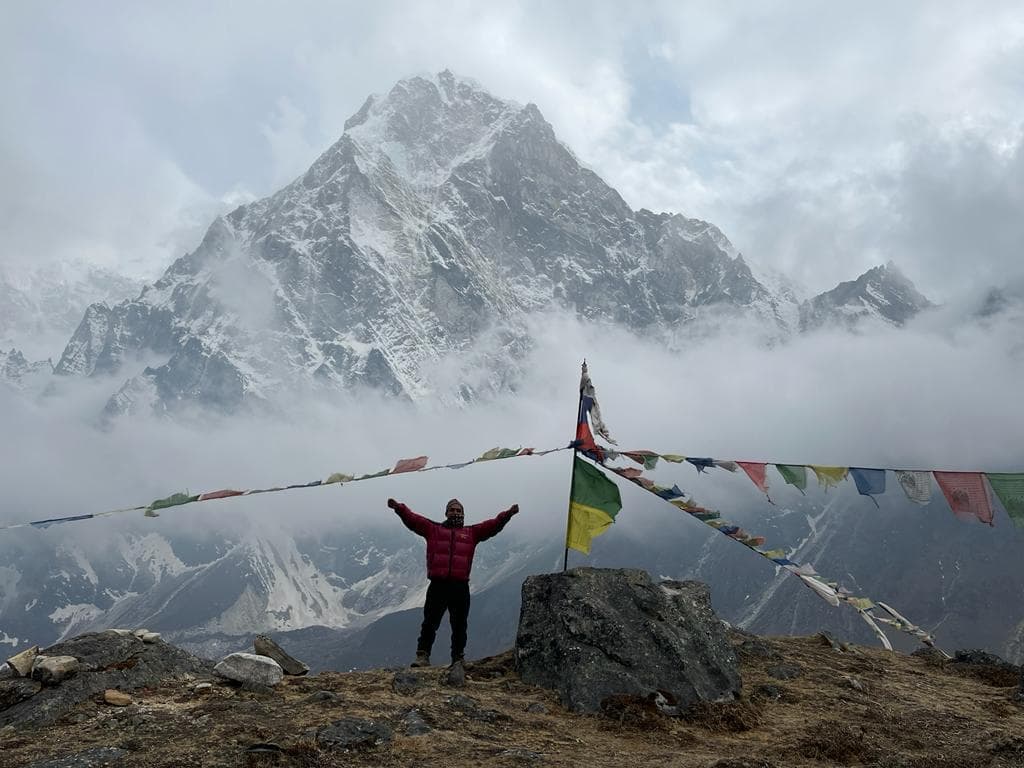
A cheap trekking package can look attractive at first. But the cheapest option is not always the best one. Sometimes a low price means something important is missing. It could be a rest day, a permit, a porter, proper insurance, or even the cost of an extra hotel night when flights are delayed. This is especially important on high-altitude treks like Everest Base Camp and the Manaslu Circuit Trek. Everest Base Camp is at 5,364 m, while Kala Patthar reaches 5,545 m. On Manaslu, the trail crosses Larkya La at around 5,106 m. So before you pay a deposit, take a little time and check these five things:
Guide and route requirements
Acclimatization days
Helicopter evacuation insuranceaa
What the package includes
Cancellation and delay rules
It may take less than an hour. That small check can save you a lot of trouble later.
Why should you check the booking details before the trek?
You should check the booking details because many trekking problems start before the trek even begins. The mountain is not always the problem. Sometimes the problem is the plan behind the trip. Two trekking packages can have the same number of days and look almost identical online, but one may include permits, meals, a porter, and a spare day while the other may charge extra for several of them. At Himalayan Hero Adventure, we see this from the operator side. A trekker may book a package because it looks cheap, then find out later that an important service was not included. For high-altitude routes, small details matter. You need to know who is guiding you, how the itinerary handles altitude, what happens during delays, and who handles an emergency.
1. Is the trekking guide licensed and experienced on your route?
Yes, you should check the guide's credentials and route experience before booking. Do not only ask whether a guide is available. A guide who knows the Everest region well may not have the same experience on the Manaslu Circuit. These are different trekking areas, with different conditions, permits, and logistics. Ask the trekking agency who will lead your group. If they have not decided yet, ask when the guide will be confirmed.
What should you ask the trekking agency?
Ask for the guide and company details before you make the payment. A good agency should not have a problem answering simple questions about its team. You can ask:
What is the guide's license number?
Is the trekking company registered?
How long has the guide worked on this route?
Does the guide have first-aid training?
Does the guide have altitude illness training?
Who will lead the group if the assigned guide becomes unavailable?
Also check the agency name on your permit paperwork. It should make sense with the company you actually paid.
Does Manaslu have different guide and permit rules?
Yes, Manaslu has specific restrictions because it is a restricted trekking area. You cannot simply arrive and trek the route independently. The required permits must be arranged through the proper channels, and the applicable guide and group requirements must be followed. This is one reason you should be careful with very cheap Manaslu packages. Ask exactly which permits are included and who is arranging them. If a seller tells you that you can ignore the permit or guide requirements, that is a serious red flag.
What about permits on the Everest Base Camp trek?
Everest Base Camp has its own permit and local-entry requirements. Ask the operator which permits and fees are included in your package. Do not just assume everything is covered because the package says “Everest Base Camp Trek.” Rules can change, so it is better to ask for the current requirement rather than rely on an old blog or something a friend did years ago.
Key point: Before booking, know who your guide is, what qualifications they have, and which permits your trek requires.
2. Does the itinerary include enough acclimatization days?
Yes, a good high-altitude itinerary needs proper acclimatization. The total number of trekking days alone does not tell you whether the schedule is safe or comfortable. Look at the sleeping altitude for every night and then check how quickly the itinerary gains height. A person can be very fit and still struggle with altitude. Fitness helps, but it does not remove the risk of altitude sickness. That is why rest days are not wasted days. They are part of the trek.
How does acclimatization work on Everest Base Camp?
The standard Everest Base Camp route usually includes acclimatization stops around Namche Bazaar and Dingboche. Namche Bazaar is around 3,440 m, while Dingboche is around 4,410 m. These stops give trekkers time to adjust before going higher. A 14-day EBC itinerary has room for these acclimatization days and can also leave some flexibility for weather or flight problems. Be careful with very short EBC packages. Cutting one or two days can look good on the price page, but it may also mean cutting important rest time.

Where do you acclimatize on the Manaslu Circuit?
Samagaun is the main acclimatization stop before the Larkya La crossing. It sits at roughly 3,500 m, and trekkers normally spend extra time there before continuing higher. The Manaslu route gains altitude through the upper Budhi Gandaki Valley, so the schedule matters. When comparing two Manaslu itineraries, don't only count the days. Compare where you sleep each night and how much altitude you gain.

Why is a spare day useful?
A spare day gives you some room when weather or mountain conditions change. Lukla flights can be delayed, and snow can also affect the Larkya La crossing. If your itinerary has no spare day, a delay may mean paying for another hotel night, meals, transport, or even changing your flight. So when someone says, “Our trek is only 10 days,” ask what was removed to make it 10 days.
Key point: Compare sleeping altitudes and rest days, not only the total number of trekking days.
3. Does your travel insurance cover helicopter evacuation?
Yes, your insurance should clearly cover emergency evacuation for the altitude and activities involved in your trek. Do not buy a normal travel policy and assume it automatically covers a helicopter rescue from the Himalayas. Read the actual policy. The small print is boring, but this is one place where you really should read it.
What should your insurance cover?
Look for emergency evacuation and medical treatment in the policy. Also check whether the policy covers trekking at the altitude you will reach. For example, Kala Patthar reaches about 5,545 m and Larkya La reaches about 5,106 m. Your policy should cover the highest point of your planned trek. Check for:
Emergency helicopter evacuation
Medical treatment
Medical repatriation
High-altitude trekking
Maximum covered altitude
Trip interruption, where applicable
Why should you read the exclusions?
Because the headline coverage amount does not tell the whole story. Some policies have altitude limits, while others require an adventure or high-altitude activity add-on. A policy may say it covers trekking but still have restrictions at higher elevations. Before leaving Kathmandu, know what your insurer expects if an emergency happens.
Who arranges a helicopter rescue?
This depends on your insurance policy and the situation. Some insurers require approval before a helicopter is arranged, while others have different procedures. Ask your insurer what you should do in an emergency. Your trekking agency should also explain how it handles communication, guide reports, and rescue coordination. Keep important documents and receipts because they may be needed during an insurance claim.
Key point: Check the altitude limit and evacuation conditions before your trek, not after something goes wrong.
4. What is included in the trekking package?
You should get the full list in writing before paying. A verbal promise is not enough when you are comparing expensive trekking packages. This is where many “cheap” trekking packages become less cheap. One company may include meals, permits, porter service, and transport, while another may charge separately for several of them.
What should you check in the inclusions?
Ask the agency for an itemized quote. Check whether it includes:
Trekking permits
Conservation-area fees
Airport transfers
Domestic flights, if required
Accommodation
Meals
Guide
Porter
Guide and porter insurance
Ground transportation
Do not be afraid to ask about something that looks obvious. If it is important to your budget, ask.
What costs are commonly excluded?
Common exclusions can include personal equipment, tips, insurance, international flights, and extra nights. Also ask about costs caused by delays. For example, if a flight is delayed and you need another hotel night, who pays for it? Check:
International flights
Nepal visa
Personal trekking gear
Travel insurance
Guide and porter tips
Extra hotel nights
Extra meals
Emergency evacuation
Where does the Lukla flight leave from?
For Everest Base Camp trekkers, ask about the flight departure point for your travel dates. During periods when flights operate from Ramechhap, trekkers may need an early road transfer from Kathmandu and possibly an overnight stay. This is a small detail, but it can affect both your budget and your first trekking day. Ask the agency where your flight leaves from and whether the road transfer and hotel are included.
How should you compare two trekking packages?
Compare the actual services, not only the final number. A package that costs a little more may include things that another company charges separately. Make a simple list and compare them side by side. It is much easier that way.
Key point: Compare itemized inclusions and exclusions before comparing trekking prices.
5. What are the cancellation, refund, and delay rules?
You should know the cancellation and refund rules before paying your deposit. Mountain weather can change plans. Flights can be delayed, roads can close, and a trekking itinerary may also need to change because of trail or weather conditions. A clear policy tells you what happens when the original plan cannot continue.
What cancellation terms should you check?
Ask exactly how much money you can get back and when. Do not settle for a sentence like “our cancellation policy applies.” Ask for the actual terms. Check:
Refund amount at different cancellation dates
Deposit conditions
Date-change fees
Flight-delay costs
Extra hotel nights
Route changes
Permit changes
Early trek termination
Emergency situations
Should the cancellation policy be in writing?
Yes. Get it by email or in your booking agreement. A WhatsApp conversation can be useful, but it should not be the only place where important financial terms are written. Save your booking confirmation, payment receipt, itinerary, and cancellation policy. If something changes later, you have a clear record of what was agreed.
Key point: If an important refund or cancellation term is not written down, ask the agency to put it in writing before you pay.
Everest Base Camp vs. Manaslu Circuit: What should you check?
The two treks have different route conditions and logistics, so the same package checklist should be applied differently.
Check | Everest Base Camp | Manaslu Circuit |
|---|---|---|
Highest major point | Kala Patthar, 5,545 m | Larkya La, 5,106 m |
Acclimatization | Namche Bazaar and Dingboche | Samagaun |
Permit system | Everest-area permits and local requirements | Restricted-area and conservation-area permits |
Guide rules | Confirm current requirements | Restricted-area rules apply |
Trail services | More lodges and services | Fewer services in remote sections |
Main delay concern | Lukla flights and weather | Larkya La and road conditions |
Rescue | Weather and location dependent | More remote sections can take longer |
The important thing is not deciding which trek is “better.” It is making sure the package matches the actual route. A cheaper Manaslu package may have fewer services, while a short Everest package may remove acclimatization time. Look at what you are actually getting.
What should you check before paying a trekking deposit?
Before paying, go through the whole package one more time. It is easy to get excited about the mountains and forget the boring parts. But these boring details are usually the ones that matter when something does not go as planned.
Use this checklist:
Guide name and credentials
Company registration details
Current permit requirements
Acclimatization days
Spare day, if available
Insurance altitude limit
Helicopter evacuation coverage
Full package inclusions
Package exclusions
Flight departure point
Cancellation and refund terms
Emergency arrangements
If the agency answers all of these clearly, you are already in a much better position to book.
Final Word
A good Himalayan trek starts with a good plan. Price is important, but it should not be the only thing you compare. Check the guide, permits, acclimatization schedule, insurance, package inclusions, and cancellation terms before sending your deposit.
If you are planning an Everest Base Camp or Manaslu Circuit trek, Himalayan Hero Adventures takes care of the important details from permits and licensed guides to accommodation, transportation, acclimatization planning, and local support along the trail. You can focus on preparing for the mountains while our local team handles the practical side of the journey. When you are ready to start planning, get in touch with Himalayan Hero Adventures and let us help you make the trek simple and well organized.