
San Miguel de Allende on the map
12 places from this guide. Tap a pin to open the listing.
San Miguel de Allende sits in the central highlands of Guanajuato state, a colonial town built around steep cobblestone streets and a pink stone church that looks almost too elaborate to be real. This San Miguel de Allende travel guide draws on twelve places this site has covered on the ground here, from the market stalls off Mercado Ignacio Ramírez to the canyon trails inside El Charco del Ingenio, to give you a version of the town that goes past the postcard shot of the Parroquia.
The town was founded in the 1540s and grew wealthy on silver trade routes running north, which is why its churches and mansions feel disproportionately grand for a town this size. UNESCO added the historic center to its World Heritage list in 2008, and the designation has mostly kept developers from touching the facades downtown, even as the town has filled with galleries, design shops, and a large community of American and Canadian retirees. That mix gives San Miguel a strange, workable texture: taco stands next to wine bars, a 300-year-old convent next to a mezcal tasting room.
Overview
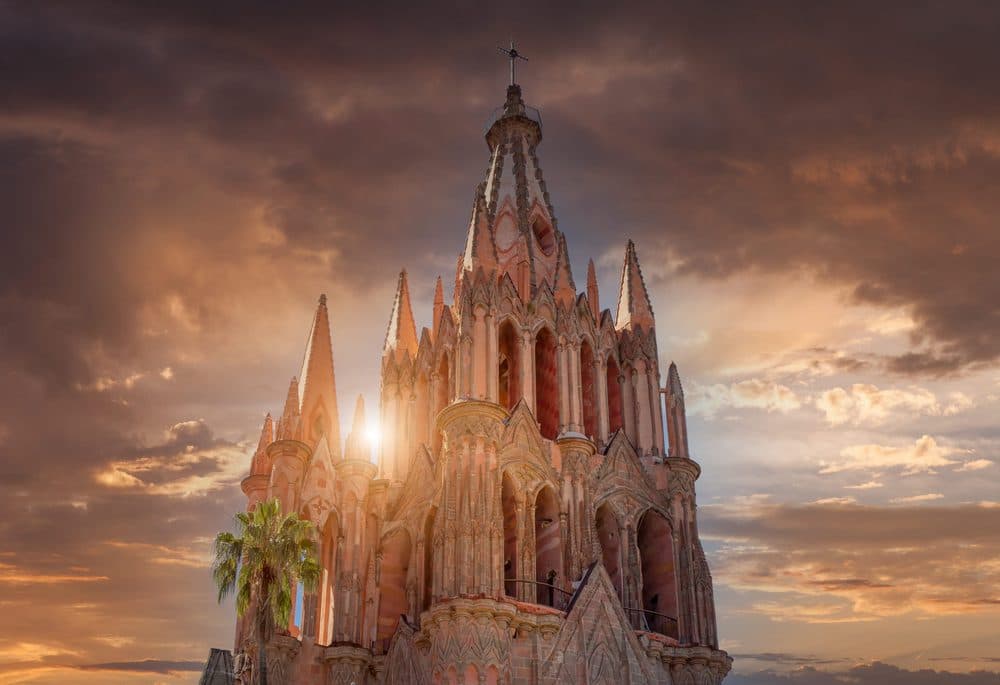
Everything in San Miguel radiates out from Jardín Allende, the main square, and the Parroquia de San Miguel Arcángel that towers over it. The current neo-Gothic facade, with its pink spires, dates to the late 1800s and was reportedly designed by a local bricklayer working from postcards of European cathedrals, a story locals repeat with real pride whether or not it's strictly accurate. Around the square you get the Jardín's trimmed laurel trees, shoeshine stands, and a steady churn of mariachi and marimba players in the evening.
A few blocks off the square, Templo de San Francisco shows the churrigueresque style that was fashionable a generation before the Parroquia went up, heavy stone carving packed around the doorway. Nearby, the Museo Histórico Casa de Allende occupies the house where Ignacio Allende, the independence-movement figure the town is named for, was born in 1769. It's a small museum, but it does a good job explaining why this particular town mattered so much to Mexico's break from Spain.
When to Visit
Dry season runs roughly November through May, with clear skies, cool nights, and daytime temperatures that sit comfortably in the 70s and low 80s Fahrenheit. This is high season, and hotel rates and crowds both climb accordingly, especially around the winter holidays and Easter week (Semana Santa), when much of central Mexico travels.
Rainy season, June through October, brings short, heavy afternoon downpours rather than all-day gray weather, and the surrounding hills turn green in a way they never do in spring. Shoulder months like June and September give you lower rates and thinner crowds without much downside.
San Miguel also times its calendar around saints' days. The feast of San Miguel Arcángel in late September brings processions, fireworks, and a wild folk-dance event called La Alborada that starts before dawn. Día de los Locos in June fills the streets with costumed parades. If you're in town in late October or early November, Día de Muertos altars go up around Jardín Allende and the cemetery, and some years El Charco del Ingenio hosts a dawn gathering for the winter solstice that's worth asking about if your visit lines up with late December.
Where to stay
- Centro Historico: the obvious choice if it's your first visit. You're walking distance from the Parroquia, Jardín Allende, and most restaurants, but expect noise from church bells and street vendors starting early.
- San Antonio: a quieter, more residential district just south and west of downtown, popular with longer-term visitors. It's home to Fábrica La Aurora, a former textile factory from the early 1900s now converted into galleries, antique dealers, and design studios, and it's an easy 15 to 20 minute walk into the center.
- Guadiana: a leafy, mostly local neighborhood a bit further out, good if you want lower rates and don't mind a short taxi ride into Centro each day.
- Near El Chorro: the hillside around El Chorro and the Lavanderías, the old communal washing basins fed by a natural spring, puts you close to some of the best sunset views and a short uphill walk from the main square.
How to reach the destination
Most travelers fly into Querétaro's airport (QRO), about an hour's drive from San Miguel, or León/Guanajuato's airport (BJX), roughly 1.5 hours away. Both have a mix of domestic and some international connections. Mexico City's main airport (MEX) is a further option, with a drive of around 3.5 hours, or longer with traffic leaving the city.
From Mexico City, intercity buses run several times a day from the Terminal Norte station, with the trip taking roughly 3.5 to 4 hours depending on the route. Private shuttle services and taxis also connect San Miguel with both Querétaro and León airports, and booking one in advance is usually easier than arranging transport on arrival.
Getting around the destination
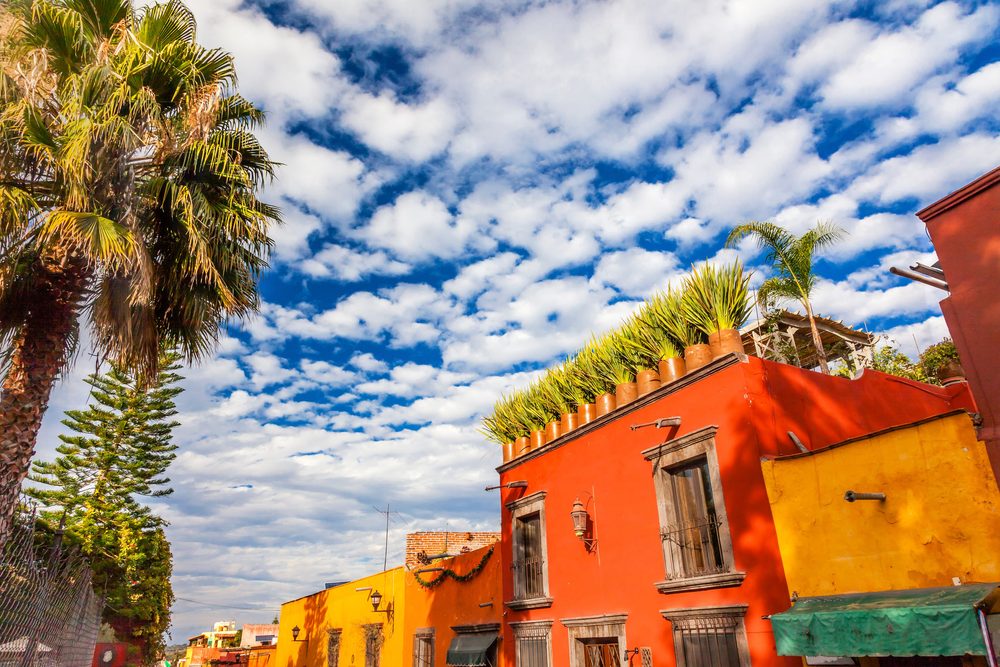
Centro is compact and walkable, which is the point of staying there, but the cobblestones (locally called empedrado) are uneven and genuinely hard on ankles, strollers, and rolling suitcases. Wear shoes with real soles.
Taxis are cheap and plentiful, though most don't run meters, so agree on a price before you get in. Ride-hailing apps work in San Miguel, though pickup can be slower than you'd expect given the one-way streets downtown. For views over the town, a taxi up to El Mirador is the easiest way to go, especially around sunset when the walk back down in the dark isn't appealing. Local buses and colectivos connect Centro to outlying neighborhoods and are worth using if you're staying further out and want to save on taxis.
Top destination travel tips
- San Miguel sits at about 1,900 meters (6,200 feet) elevation. It's not high enough to cause altitude sickness for most people, but you may notice getting winded faster on the hilly streets for the first day or two.
- The sun is strong at this altitude even when the air feels cool. Sunscreen matters more than the temperature suggests.
- Carry small bills and coins. Market vendors and taxi drivers often can't break large notes.
- Bargaining is expected at craft markets like Mercado de Artesanías, less so at food stalls or fixed-price shops.
- Many restaurants and shops close for a few hours in the early-to-mid afternoon, particularly outside the main tourist strip.
- Basic Spanish goes a long way outside the most touristed blocks. English is common in hotels and restaurants catering to foreign visitors, less so at local markets.
- Water from the tap isn't considered safe to drink; stick to bottled or filtered water, including for ice in less touristy spots.
Typical costs in the destination
Mexico uses the Mexican peso (MXN). San Miguel is pricier than most Mexican towns its size, largely because of the long-term foreign resident population, but it's still inexpensive by US or European standards.
- Street food and market meals (tacos, gorditas): budget tier, a filling meal for a few hundred pesos or less.
- Casual sit-down restaurants: mid-range, expect a moderate per-person cost for a full meal with a drink.
- Upscale dining, especially around Centro and in hotel restaurants: approaching fine-dining pricing by Mexican standards.
- Boutique hotels in Centro: mid-range to upscale depending on season; rates climb noticeably over the winter high season and during Día de Muertos.
- Taxis within town: budget, generally a flat, low fare per ride within Centro.
Must try food and drinks
- Enchiladas mineras: a Guanajuato-state specialty, chile-dipped tortillas filled with cheese and topped with potatoes and carrots, found at traditional comedores around town.
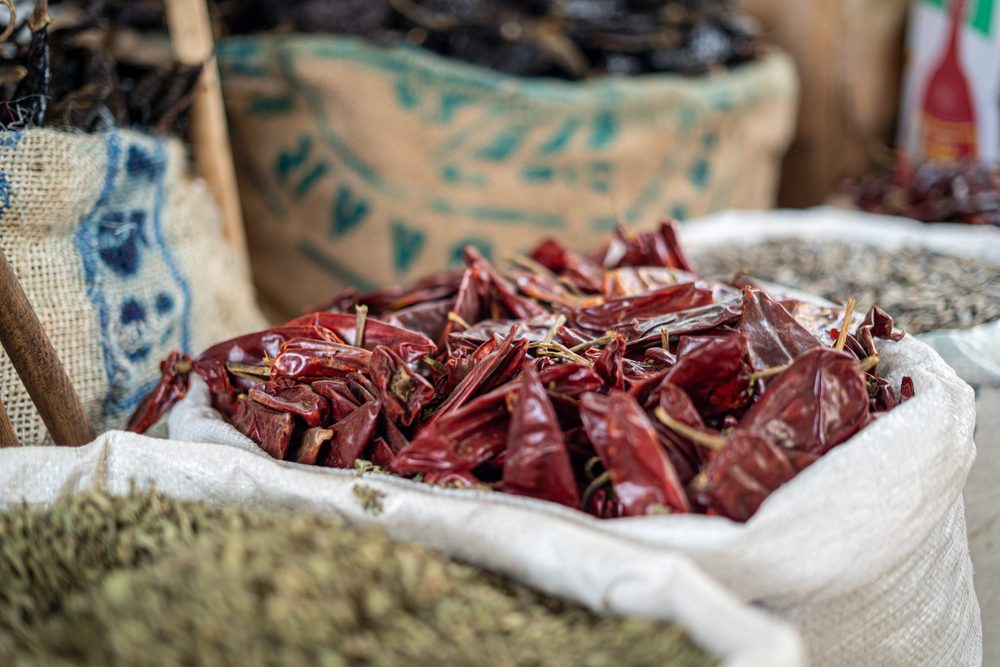
- Gorditas: thick corn cakes split and stuffed with beans, cheese, or stewed meats, a reliable, cheap breakfast or lunch, especially from the stalls at Mercado Ignacio Ramírez.
- Pozole: hominy stew, usually served Thursdays or weekends at many local kitchens, worth asking around for.
- Mezcal: San Miguel has leaned into mezcal tasting culture over the past decade, with several bars doing flights alongside tequila.
- Market-stall ceviche and seafood: La Parada, near the center, has built a following for Latin American-leaning seafood and ceviche plates in a lively, open setting.
- Coffee: Lavanda Café is a reliable stop for a slower coffee break away from the square, good if you need a quiet work-friendly spot mid-day.
- Aguas frescas: fresh fruit waters sold from market carts, a good way to cool down after walking the hills in the afternoon heat.
FAQ
How many days do you need in San Miguel de Allende?
Two to three full days covers the main sights: the Parroquia and Jardín Allende, a market visit, Fábrica La Aurora, and time at El Charco del Ingenio. Add a day or two more if you want a day trip to Guanajuato city or a slower pace with time to sit in cafés and galleries.
Is San Miguel de Allende expensive?
It's more expensive than most Mexican towns of similar size, largely due to its popularity with foreign residents and tourists, but it's still affordable compared to US or European travel. Street food and markets keep costs low even if boutique hotels and upscale restaurants push the budget up.
Is San Miguel de Allende safe for tourists?
San Miguel is generally considered one of the safer towns in Mexico for travelers, with a well-developed tourism infrastructure. As anywhere, stick to normal precautions around valuables at night and confirm current conditions before you travel, since safety situations can shift.
Do you need to speak Spanish?
Not strictly, since English is widely spoken in hotels, tour operations, and restaurants aimed at visitors. You'll get more out of markets, taxis, and smaller local spots with at least basic Spanish phrases.
What's the best month to visit San Miguel de Allende?
November through April offers the most reliable weather, dry and mild, which is also why it's the busiest and priciest stretch. Late September, around the feast of San Miguel Arcángel, is a strong choice if you want festival energy without peak-season crowds.
Is San Miguel de Allende walkable?
Centro is very walkable, though the uneven cobblestone streets and hilly terrain make comfortable shoes essential. Neighborhoods further out, like Guadiana, are better reached by taxi or colectivo rather than on foot.
Is San Miguel de Allende worth visiting if you're also going to Guanajuato city?
Yes, the two towns are different enough to justify both, and they're close enough (about an hour apart) to combine in one trip. Guanajuato is denser and more dramatically built into a ravine, while San Miguel has a calmer, more spread-out colonial core, making this San Miguel de Allende travel guide a useful starting point before you decide how to split your time between them.
Top Places to Visit in San Miguel de Allende
View all See & Do
 See & Do
Parroquia de San Miguel Arcángel
 See & Do
El Charco del Ingenio
A canyon botanical garden of Mexican desert plants above the town.
See & DoFábrica La Aurora
A 1902 cotton mill rebuilt as San Miguel's art and design quarter.
See & DoEl Mirador – San Miguel de Allende
The terrace above town where the Parroquia lines up with the valley.
See & DoTemplo de San Francisco
An elaborate churrigueresque facade two streets from the Jardín.
See & DoMercado de Artesanías
A long craft alley of silver, tin and textiles behind the main market.
See & DoMuseo Histórico Casa de Allende
The birthplace of Ignacio Allende, on the corner of the Jardín.
Top Places to Eat in San Miguel de Allende
View allEat & DrinkLa Parada
Peruvian cooking in a courtyard, and the town's best pisco sour.
Eat & DrinkMercado Ignacio Ramírez
The town's municipal market, and its cheapest good eating.
Eat & DrinkLavanda Café
Single-origin Mexican coffee and a serious breakfast menu.